Volcano Trekking
Stand on the edge of the Earth's raw power
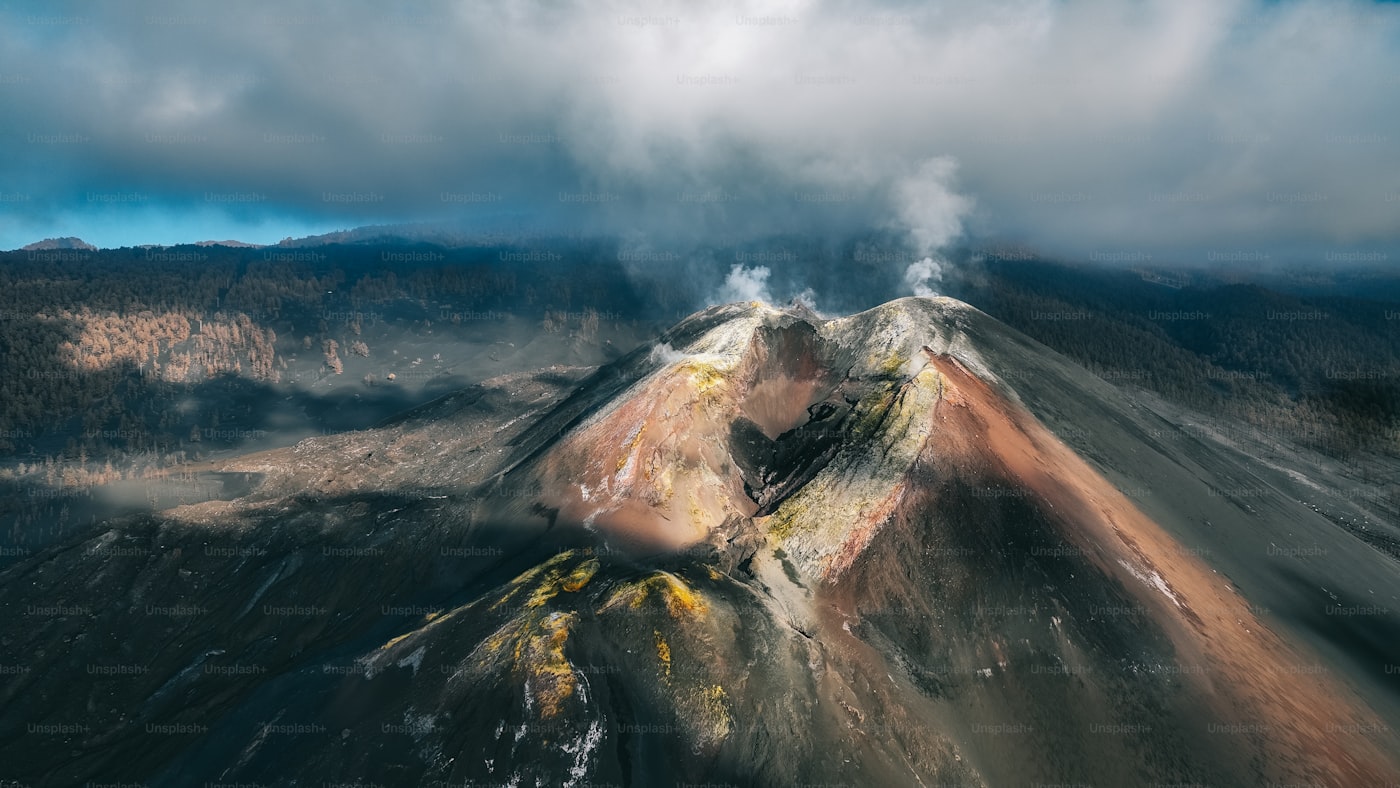
Standing on the rim of an active volcano, peering into a crater where the Earth is literally breaking itself apart, is an experience that recalibrates your understanding of the planet you live on. The heat. The sulfur. The sound — a deep, primordial rumbling that you feel in your bones before you hear it with your ears.
Volcano trekking ranges from gentle hikes up dormant cinder cones to multi-day expeditions on active stratovolcanoes at extreme altitudes. Some volcanoes you can drive to the rim. Others require days of climbing through jungle, cloud forest, and finally barren moonscape before you reach the summit.
What unites them all is the raw, unfiltered encounter with geological forces that shaped every continent, every ocean, every island chain on Earth. Volcanoes created the ground you're standing on — and standing on top of one reminds you that the planet is still very much a work in progress.
Where to experience it
5 world-class destinations for volcano trekking
 Jun-Aug (long daylight), year-round for geothermal
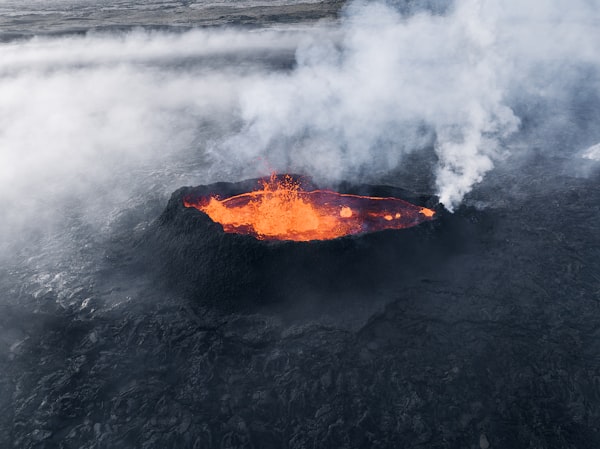
Reykjanes Peninsula
Iceland
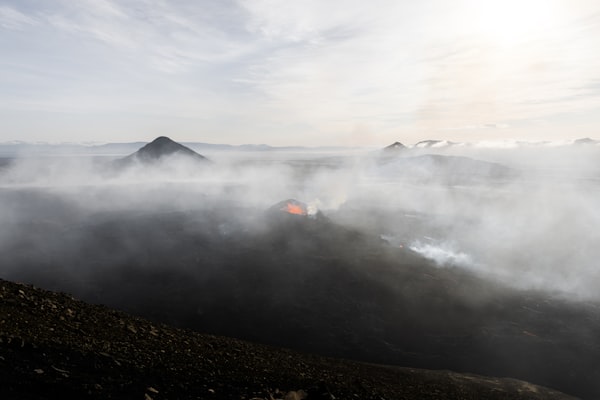
Recent eruptions (2021-2024) created fresh lava fields you can walk on. Combine with glacier hikes, geysers, and hot springs. The most accessible active volcanism on Earth.
 Year-round (drier: Apr-Oct)
Big Island
USA (Hawaii)
Hawaii Volcanoes National Park has two active volcanoes. Kilauea's ongoing eruption means you can sometimes see live lava flows. Plus lava tubes, steam vents, and dramatic coastal cliffs.
 Apr-Oct (dry season)
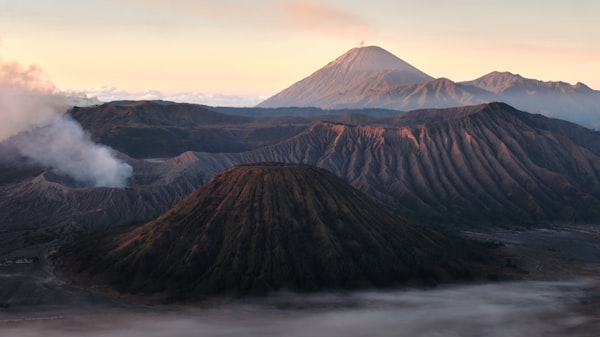
Mount Bromo & Ijen
Indonesia
Sunrise over Bromo's smoking crater is one of photography's most iconic shots. Blue flames at Ijen's sulfur mine at 3 AM are otherworldly. Combine both in a 3-day trip from Surabaya.
 Nov-Apr (dry season)
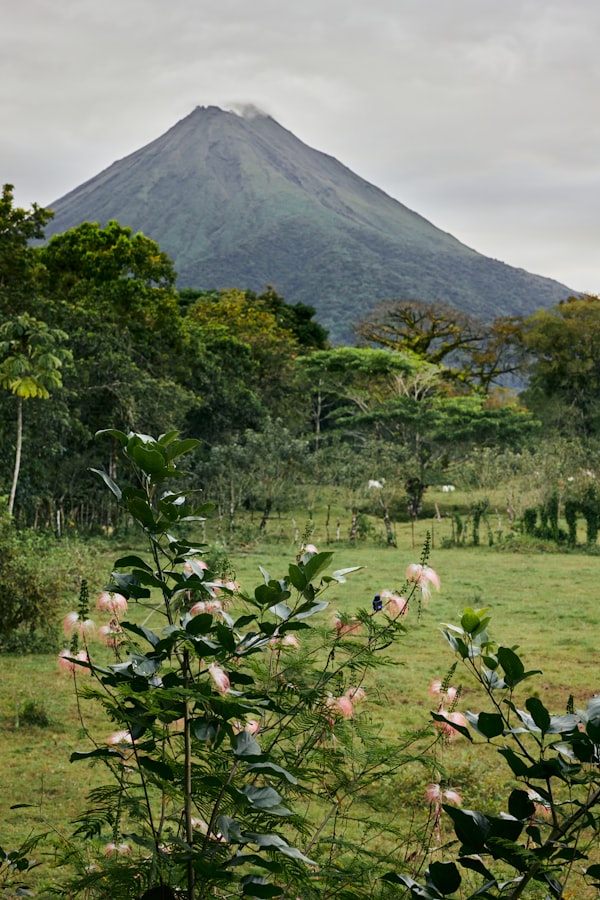
Acatenango & Pacaya
Guatemala
Camp overnight on Acatenango's ridge and watch neighboring Fuego volcano erupt every 15-20 minutes through the night. Pacaya offers gentle hikes with roasting marshmallows on volcanic vents.
 Apr-Oct
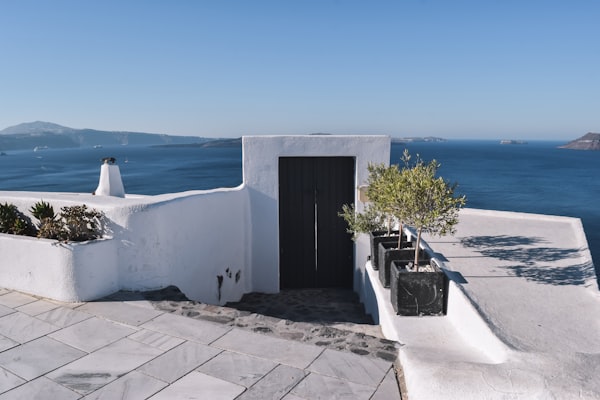
Santorini
Greece
The entire island IS a volcano — the caldera is a flooded crater. Hike to Nea Kameni (the active center island) for steaming fumaroles, then swim in hot springs. Geology meets luxury.
What to expect
- Terrain varies from paved paths (Santorini, Hawaii) to steep scree and altitude (Guatemala, Indonesia)
- Active volcanoes produce sulfur gases — guides carry gas masks for some hikes
- Pre-dawn starts are standard (2-4 AM) for sunrise summit views
- Temperatures swing dramatically: hot at the base, freezing at altitude, and furnace-hot near vents
- Guided hikes are mandatory at most active volcanoes. Prices range from $30 (Indonesia) to $200+ (Iceland helicopter)
- Some treks require moderate fitness; others (Acatenango) require strong fitness for 6-8 hour climbs
Insider tips
At Acatenango, book the overnight camp (not the day hike). Watching Fuego erupt in the dark from your tent is the whole point.
In Indonesia, Ijen's blue flames are only visible in complete darkness. Start at 1-2 AM and bring a proper headlamp (not your phone).
Volcanic terrain destroys shoes. Wear sturdy hiking boots you don't mind getting scuffed, not brand-new ones.
Altitude affects everyone differently. On high-altitude volcanoes (3,700m+ for Acatenango), take it slow and hydrate aggressively.
The best volcano photos use a person for scale — the human figure against the crater makes the enormity register.
Ready for your volcano trekking?
Tell Meera where you want to go and she'll build your volcano trekking trip — flights, accommodation, activities, day by day — in minutes.
Meera may earn a commission — your price stays the same.