Scuba Diving & Snorkeling
Explore the 70% of Earth that most people never see
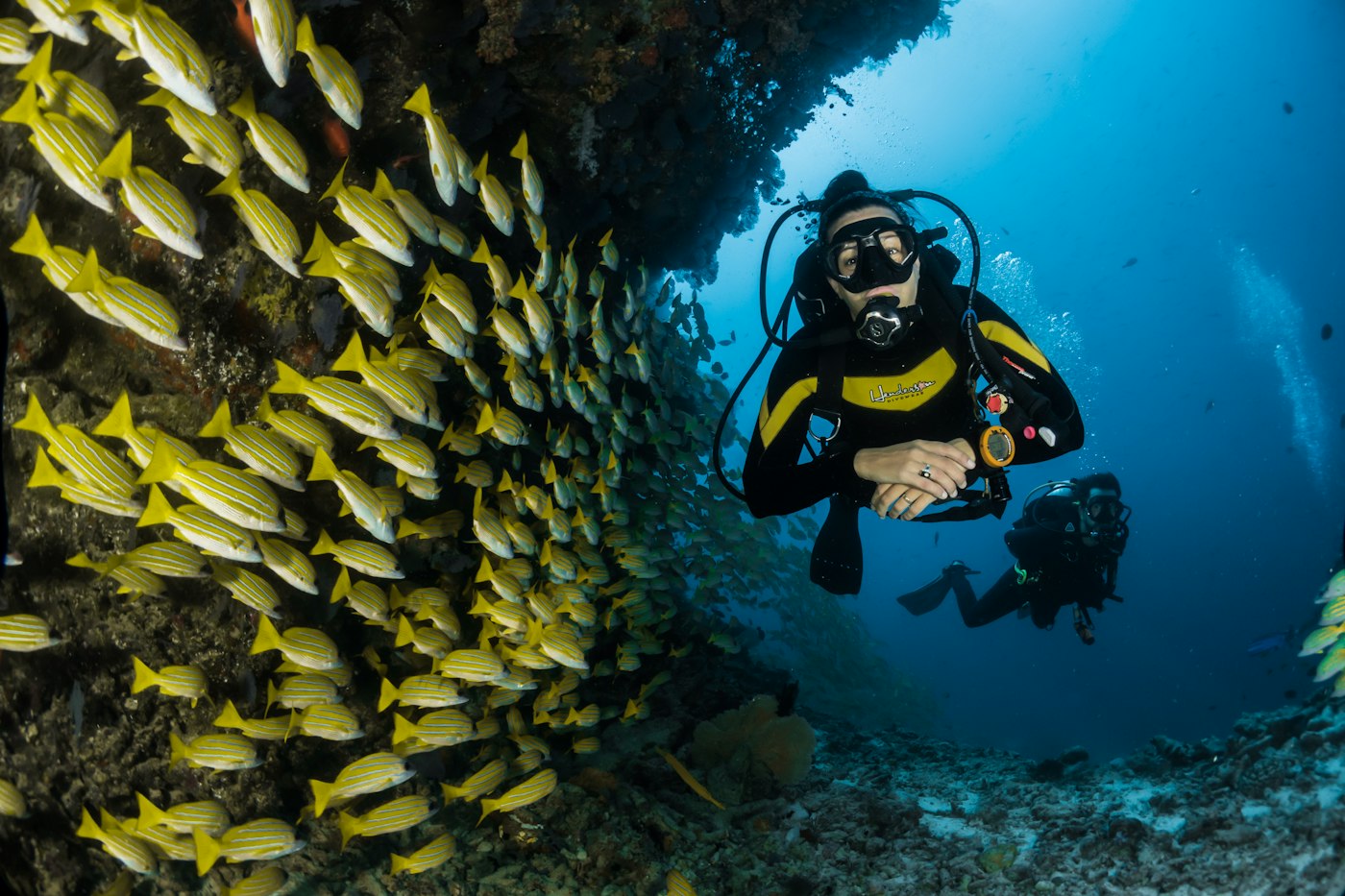
The moment you descend below the surface and your ears equalize, the world above ceases to exist. Sound disappears. Gravity loosens its grip. You're weightless, breathing underwater, surrounded by a universe of color and movement that operates on entirely different rules than the one you left behind.
Scuba diving and snorkeling open up the largest habitat on the planet — the ocean covers 361 million square kilometers, and most of it remains unexplored. You don't need to be an extreme athlete. You don't need years of training. A three-day PADI Open Water course and you're certified for life, able to explore coral reefs, shipwrecks, underwater caves, and marine life from manta rays to whale sharks.
Even snorkeling — just a mask, fins, and the surface — can be transformative. Floating face-down over a coral reef in the Maldives or swimming alongside sea turtles in the Caribbean is accessible to anyone who can swim.
What It Really Costs
Typical costs per person for a 7-day dive trip. Actual costs vary by destination and season.
Per person. ● = required costs. Flights from your home city not included.
Where to experience it
5 world-class destinations for scuba diving & snorkeling
 Jan-Apr (best visibility)
Maldives
Maldives
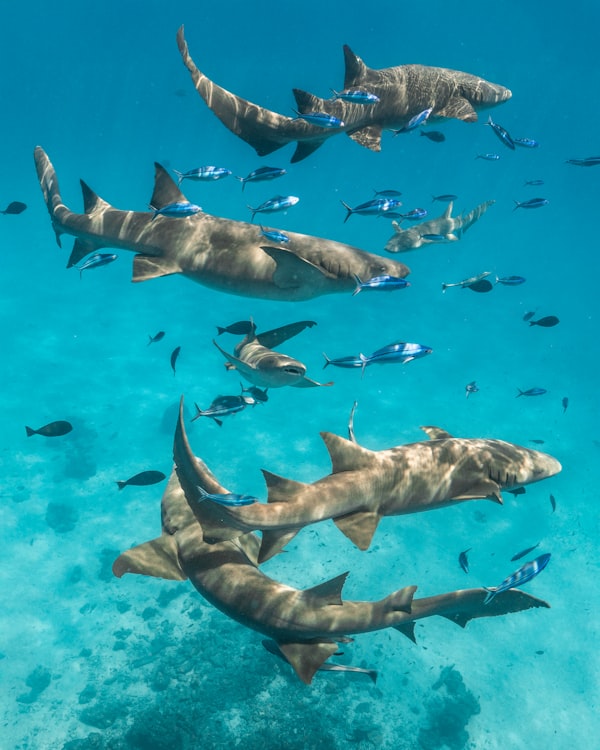
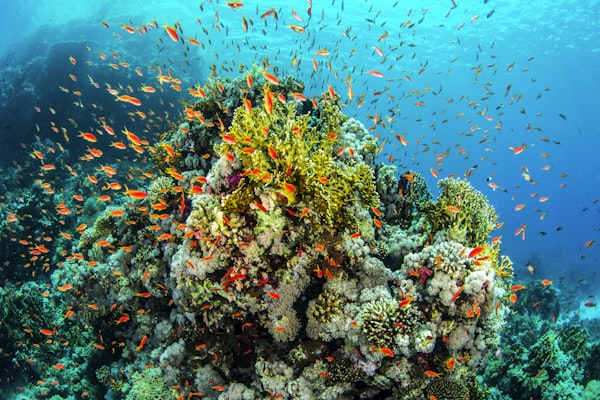
Crystal-clear visibility (30-50 meters), manta ray cleaning stations, whale shark encounters, and house reefs so close you can snorkel from your overwater villa. The warmest, calmest diving in the world.
 Jun-Nov (best visibility, whale season)
Great Barrier Reef
Australia
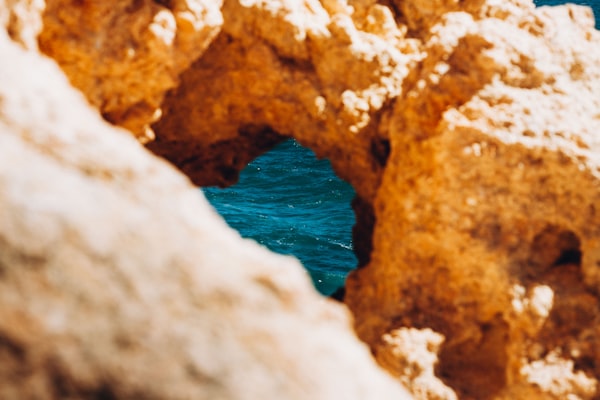
The largest coral reef system on Earth — 2,300 km of reef visible from space. Liveaboard boats reach outer reefs with pristine coral and spectacular marine diversity.
 Apr-Jun (calmest, best visibility)
Belize Barrier Reef
Belize
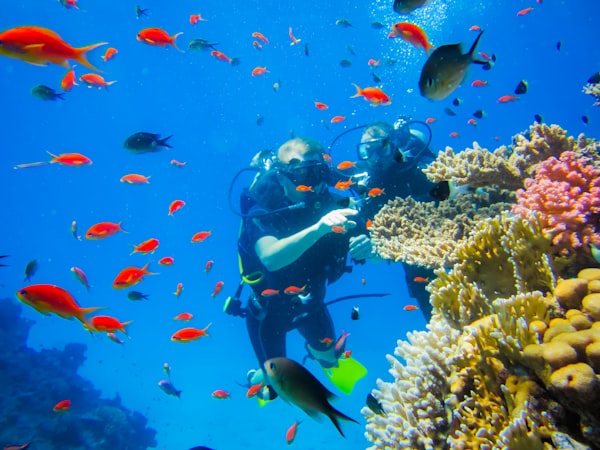
Home to the Great Blue Hole — a 300-meter-wide, 125-meter-deep sinkhole that's a bucket-list dive. Plus shark alley at Hol Chan and stunning wall diving at Turneffe Atoll.
 Mar-May, Sep-Nov
Red Sea Coast
Egypt
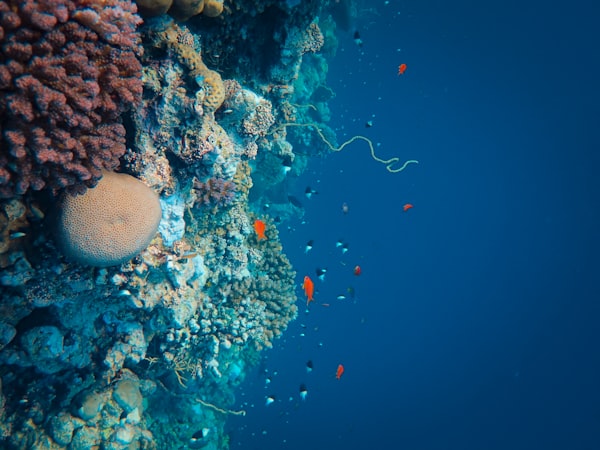
Some of the best wreck diving in the world (SS Thistlegorm), vibrant coral walls, and warm year-round water. Incredibly affordable compared to other world-class dive destinations.
 Oct-Apr
Raja Ampat
Indonesia
The most biodiverse marine region on the planet — more species of fish and coral than anywhere else. Remote, pristine, and utterly spectacular for experienced divers.
What to expect
- PADI Open Water certification takes 3-4 days and costs $350-500 depending on location
- Certified divers can join guided dives immediately (bring your certification card)
- Water temperatures range from 24°C (Red Sea) to 29°C (Maldives) — wetsuits provided
- Dive sites are reached by boat (5-60 minute rides depending on location)
- Non-divers can snorkel at most destinations — many reefs are accessible from the surface
- Don't fly within 18-24 hours of your last dive (decompression risk)
Insider tips
Get certified at home before your trip — it saves 3-4 days of vacation time and lets you dive immediately on arrival.
Liveaboard boats (multi-day boat trips) reach the best dive sites that day boats can't. Worth the premium for serious divers.
Reef-safe sunscreen is mandatory at most dive sites. Chemical sunscreens kill coral. Use mineral-based (zinc oxide) only.
Bring your own mask — rental masks never fit as well, and a leaking mask ruins a dive. Everything else can be rented.
The best marine life is often in shallow water (5-15 meters). Don't chase depth — chase diversity.
Ready for your scuba diving & snorkeling?
Tell Meera where you want to go and she'll build your scuba diving & snorkeling trip — flights, accommodation, activities, day by day — in minutes.
Meera may earn a commission — your price stays the same.