Northern Lights
Chase the aurora borealis across the Arctic sky
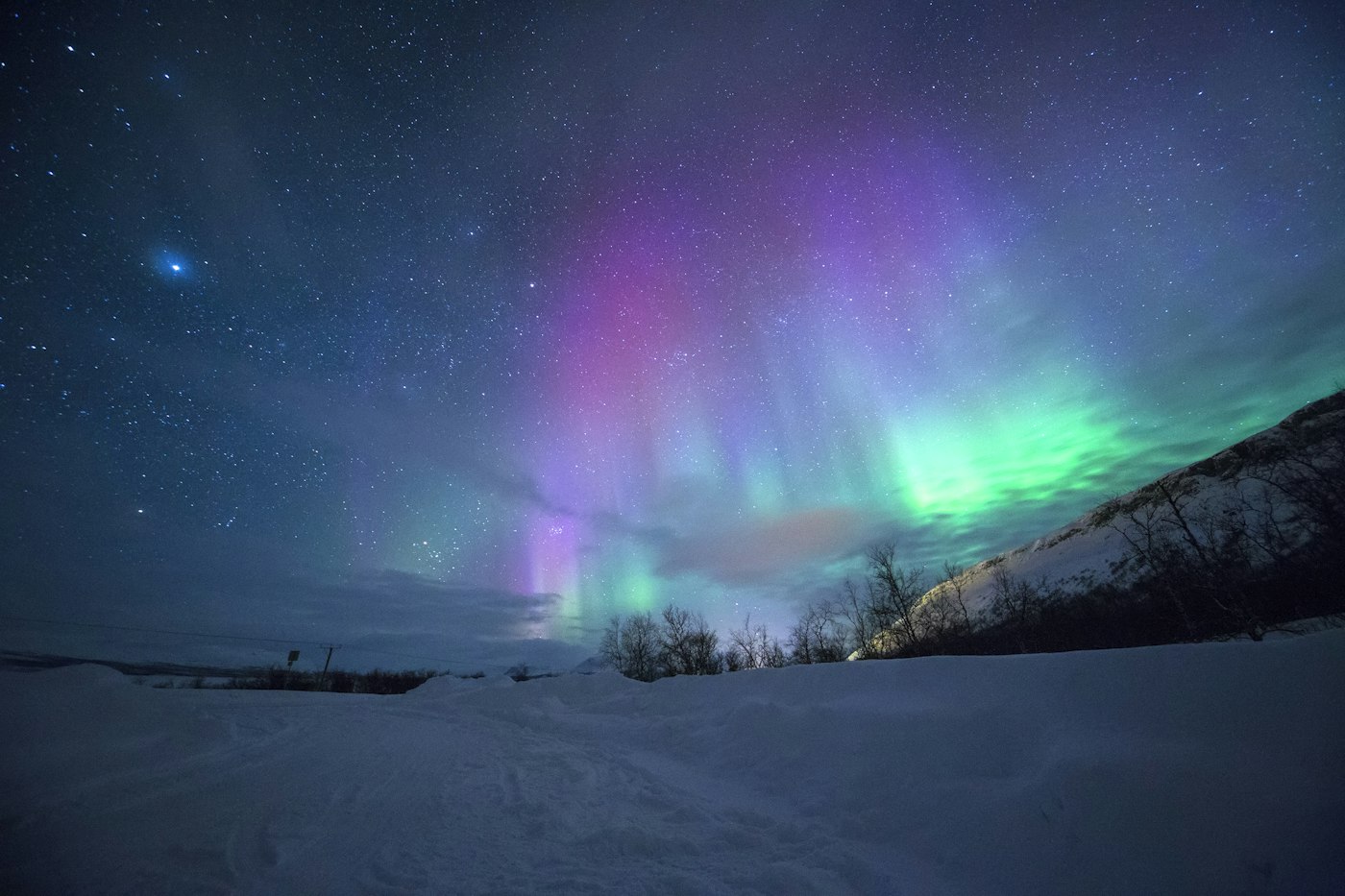
The Northern Lights are nature's greatest light show — curtains of green, purple, and pink shimmering across the Arctic sky in a display that has inspired myths, art, and pilgrimages for thousands of years. No photo or video truly captures it. You have to stand there, neck craned, breath visible in the freezing air, and watch the sky dance.
Seeing the aurora borealis is never guaranteed — it depends on solar activity, cloud cover, and darkness. But that uncertainty is part of the magic. You might wait three nights and see nothing, then step outside your cabin at 2 AM and witness the entire sky explode in green. The anticipation, the cold, the sudden gasp when it appears — it's an experience that stays with you forever.
The best viewing requires getting above the Arctic Circle (66.5°N latitude) during the dark months of September through March, far from city light pollution, under clear skies.
What It Really Costs
Typical costs per person for a 5-day trip. Actual costs vary by destination and season.
Per person. ● = required costs. Flights from your home city not included.
Where to experience it
5 world-class destinations for northern lights
 Sep-Mar (peak: Nov-Feb)
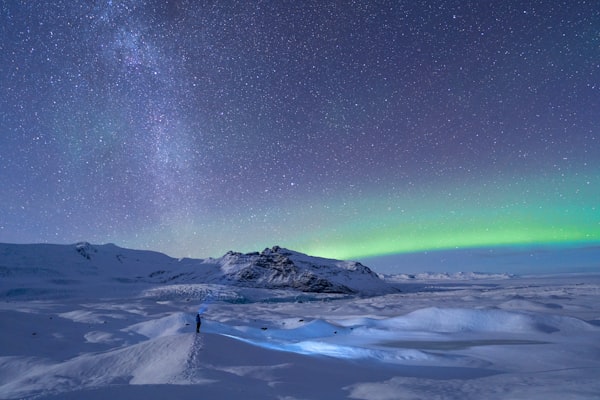
Tromsoe
Norway
The "Gateway to the Arctic" — a vibrant university city with excellent aurora tour operators, whale watching, and dog sledding. Accessible by direct flights from many European cities.
 Sep-Apr (darkest: Nov-Jan)
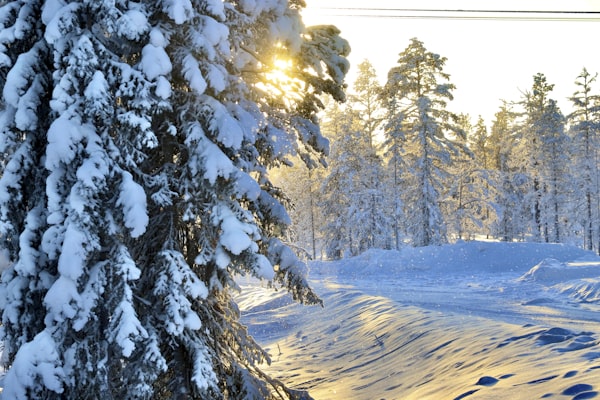
Reykjavik
Iceland
Combine aurora hunting with Iceland's otherworldly landscapes: geysers, waterfalls, volcanic beaches, and the Blue Lagoon. Golden Circle by day, aurora by night.
 Sep-Mar (peak: Dec-Feb)
Rovaniemi
Finland
Finnish Lapland offers glass igloos where you can watch the aurora from your bed. Also home to Santa Claus Village, husky safaris, and ice fishing.
 Oct-Mar
Abisko
Sweden
Statistically the best place in the world to see the Northern Lights, thanks to a unique microclimate that keeps skies clear. The Aurora Sky Station at 900m is legendary.
 Oct-Mar (peak: Dec-Feb)
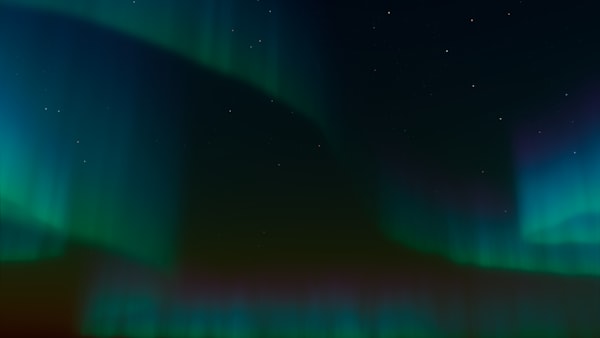
Yellowknife
Canada
North America's aurora capital. Flat terrain and dry climate mean exceptional viewing conditions. Indigenous-led aurora tours add cultural depth.
What to expect
- Temperatures from -10°C to -30°C — serious cold-weather gear is essential
- Tours typically run 9 PM to 2 AM, driving to locations with minimal light pollution
- No guarantee of sightings — solar activity and cloud cover are unpredictable
- Best photos require a camera with manual settings (15-25 second exposure, wide aperture)
- The aurora can last minutes or hours — patience is the key ingredient
- Combine with winter activities: dog sledding, snowmobiling, ice fishing, whale watching
Insider tips
Check the KP index (aurora forecast) but don't obsess — spectacular displays happen at KP 2-3, not just KP 5+. Clear skies matter more than solar activity.
Stay at least 3-4 nights to maximize your chances. One-night trips are a gamble.
Glass igloos and aurora cabins sell out 6-12 months in advance. Book early.
Your phone camera won't do it justice. Bring a tripod and a camera with manual mode, or just put the phone away and watch.
The aurora often has a "quiet phase" before intensifying. Don't give up and go inside too early.
Ready for your northern lights?
Tell Meera where you want to go and she'll build your northern lights trip — flights, accommodation, activities, day by day — in minutes.
Meera may earn a commission — your price stays the same.