Whale Watching
Encounter the largest creatures that have ever lived
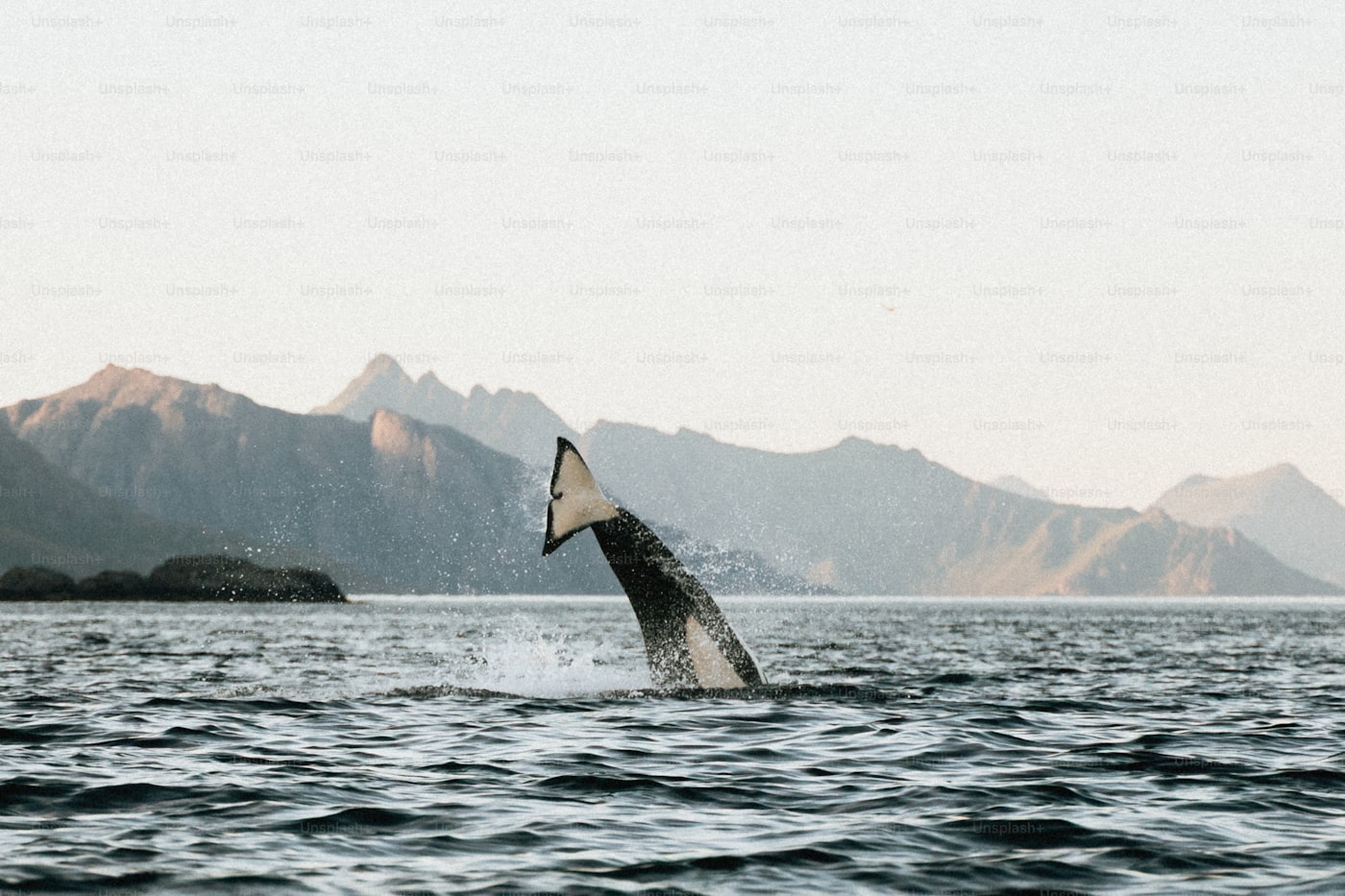
The first time a humpback whale breaches — 40 tons of animal launching itself completely out of the water and crashing back down in an explosion of white spray — your brain takes a moment to process what your eyes just saw. It's too big, too fast, too improbable. And then it happens again.
Whale watching connects you with a world that operates on a completely different scale than ours. Blue whales are the largest animals that have ever existed on Earth — larger than any dinosaur. Their hearts are the size of a Volkswagen. Their calls travel thousands of miles through the ocean. And you can float thirty meters from one in a small boat and look it in the eye.
The world's oceans host predictable whale migrations, which means that with the right timing and location, sightings are nearly guaranteed. From humpback acrobatics in Tonga to sperm whale dives in the Azores to gray whale mothers nursing calves in Baja California — each location offers a different species and a different kind of encounter.
Where to experience it
6 world-class destinations for whale watching
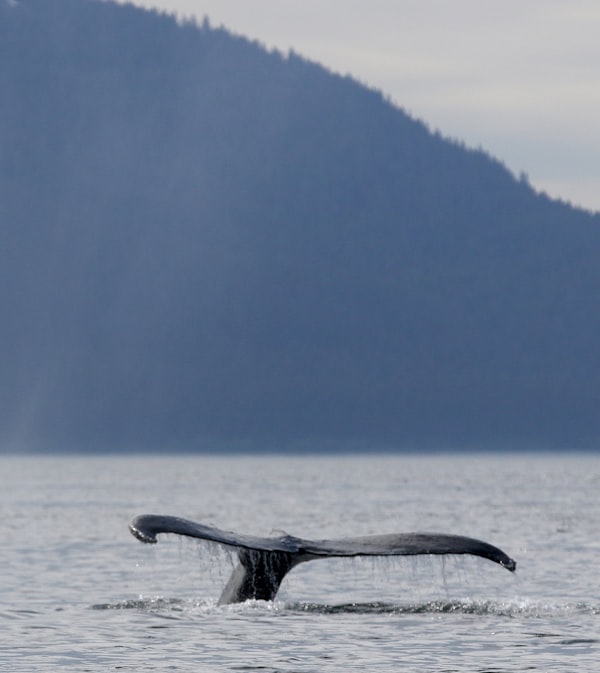 Apr-Oct (peak: May-Jun for blue whales)
Azores
Portugal
Over 25 species of cetaceans pass through these mid-Atlantic islands. Sperm whales are resident year-round. The volcanic underwater topography creates a marine wildlife corridor unmatched in the Atlantic.
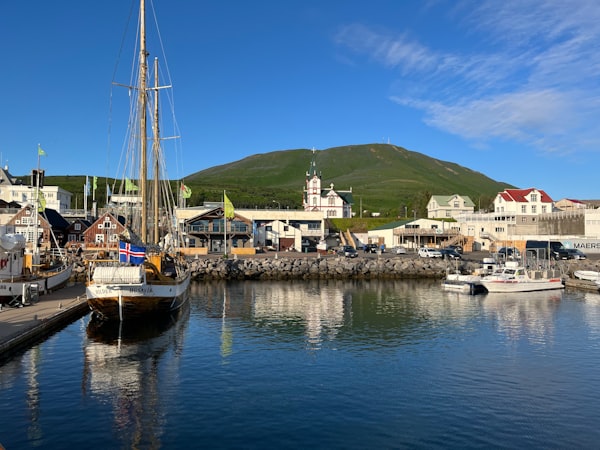 Apr-Oct (peak: Jun-Aug)
Husavik
Iceland
The whale capital of Europe. Humpbacks feed in the nutrient-rich waters of Skjalfandi Bay from April to October. Combine with Northern Lights in shoulder seasons.
 Jul-Oct
Vava'u
Tonga
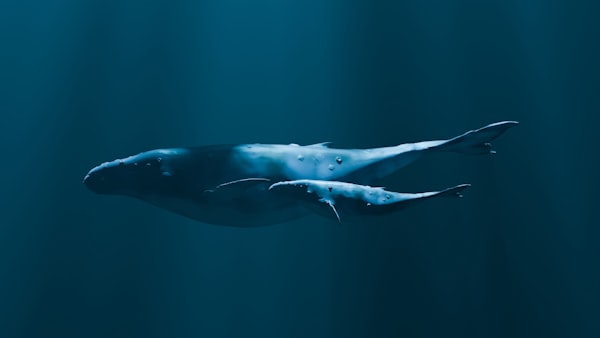
One of the few places on Earth where you can swim with humpback whales. Mothers bring calves to these warm, sheltered waters from July to October. An encounter that changes lives.
 Jan-Apr
Baja California
Mexico
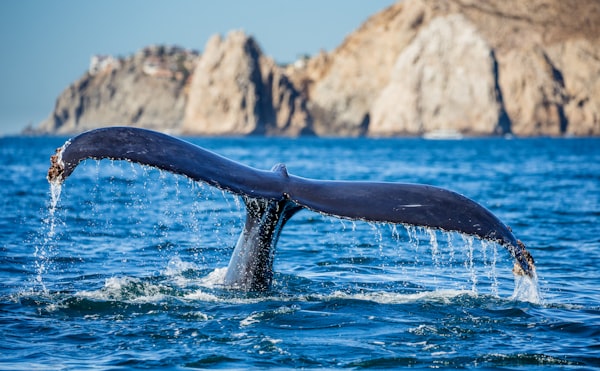
Gray whales migrate from Alaska to Baja's lagoons to give birth. In San Ignacio Lagoon, mothers actively approach boats so their calves can "meet" humans. They let you touch them.
 Nov-Apr
Mirissa
Sri Lanka
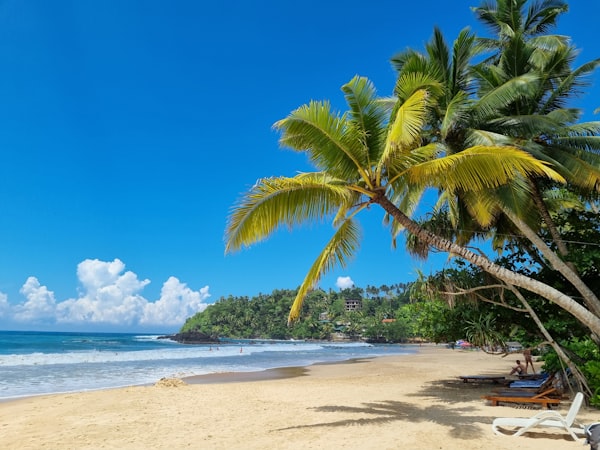
Blue whales — the largest animals ever — feed just 5-10 km off the southern coast. Morning trips regularly spot blues, sperm whales, and spinner dolphins in the same outing.
 Year-round (sperm whales are resident)
Kaikoura
New Zealand
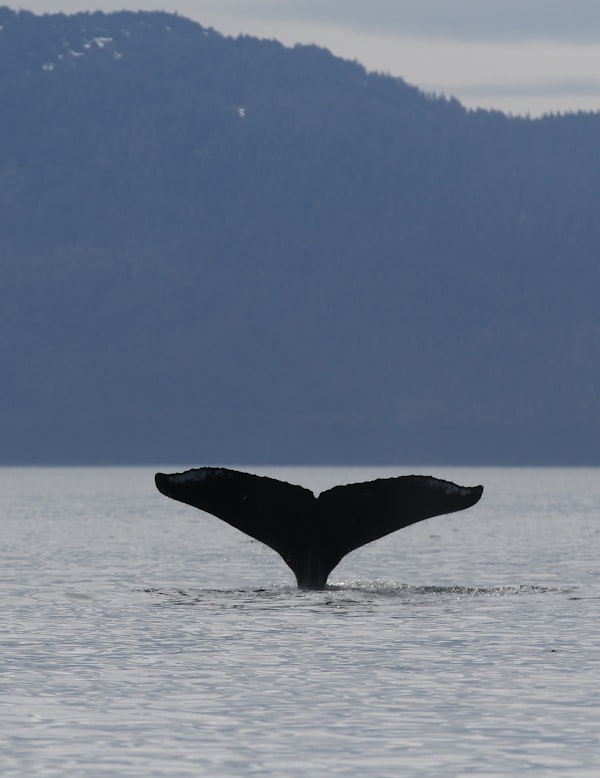
A deep underwater canyon close to shore creates a year-round feeding ground. Sperm whales, dusky dolphins, and fur seals. One of the most reliable whale watching spots on Earth.
What to expect
- Boat trips last 2-4 hours. Larger catamarans are more stable; smaller RIBs get closer to the action
- Seasickness is common — take medication 30 minutes before departure, even if you "never get seasick"
- Whale sightings are 90-99% likely with reputable operators in peak season
- Costs range from $60 (Sri Lanka) to $200+ (Tonga swim-with-whales)
- Binoculars are useful but not essential — whales are often surprisingly close
- Responsible operators follow distance regulations. Choose operators with marine biologist guides.
Insider tips
In Tonga, book a small-group operator (max 4 swimmers). Large groups scare the whales. The best encounters happen in silence.
In Baja, San Ignacio Lagoon is far more intimate than Magdalena Bay. Worth the extra drive.
Bring a waterproof jacket even in warm destinations — boats create wind chill and spray.
The best photos happen when you put the camera down and watch. The animal is 10 meters from you. Be present.
Morning trips have calmer seas than afternoon trips in almost every whale watching destination.
Ready for your whale watching?
Tell Meera where you want to go and she'll build your whale watching trip — flights, accommodation, activities, day by day — in minutes.
Meera may earn a commission — your price stays the same.