Temples & Spiritual Journeys
Find stillness in the world's most sacred spaces
You don't need to be religious to feel the power of a sacred space. There's something in the architecture, the ritual, the accumulated devotion of millions of visitors over centuries, that stops the noise in your head and replaces it with something quieter. Call it peace, mindfulness, awe, or simply the feeling of being small in the presence of something immense.
The world's great temples and sacred sites span every faith and every continent. A Shinto shrine in Kyoto, where gates march through a bamboo forest. The Western Wall in Jerusalem, where handwritten prayers are tucked between stones worn smooth by touch. The golden spires of Myanmar's Shwedagon Pagoda, which has been a place of worship for 2,600 years. A Varanasi ghat at sunrise, where Hindu pilgrims bathe in the Ganges as funeral pyres burn nearby.
These places aren't museums. They're living sites of worship. The rituals happening around you — the chanting, the incense, the prostrations, the offerings — have been performed in the same way for hundreds or thousands of years. You're not observing history. You're witnessing continuity.
Where to experience it
5 world-class destinations for temples & spiritual journeys
 Mar-May (cherry blossom), Oct-Nov (autumn)
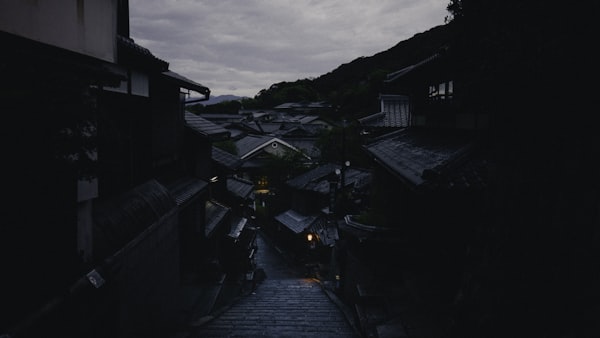
Kyoto
Japan
Over 2,000 temples and shrines. Fushimi Inari's 10,000 vermillion gates, Kinkaku-ji's golden pavilion, Zen rock gardens at Ryoan-ji. The world capital of aesthetic spirituality.
 Oct-Mar (cooler, festival season)
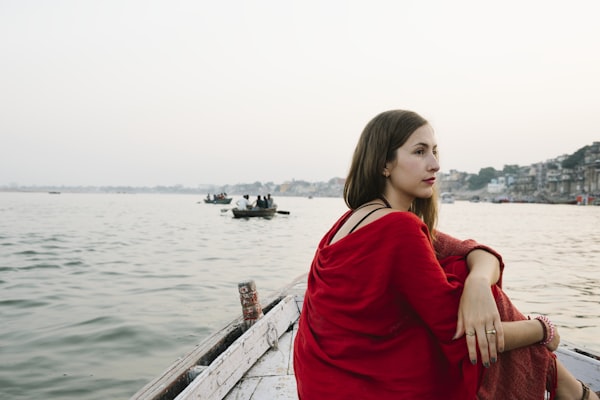
Varanasi
India
The oldest continuously inhabited city in the world. Sunrise boat rides on the Ganges, evening Ganga Aarti ceremonies with fire and chanting, and the raw honesty of a city where birth, life, death, and rebirth coexist openly.
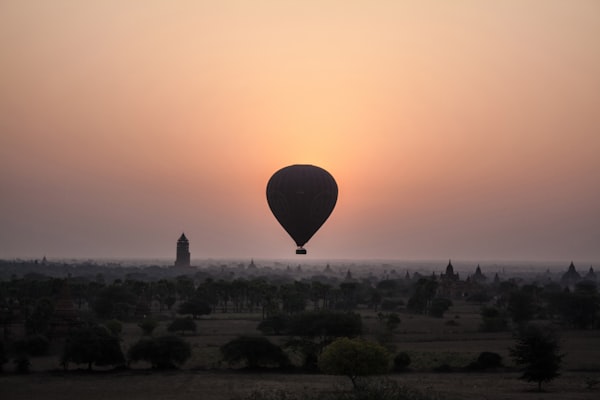 Oct-Feb (cool and dry)
Bagan
Myanmar
Over 2,000 Buddhist temples spread across a dusty plain. Rent an e-bike at dawn and explore ancient pagodas with no one else around. The spiritual density is overwhelming.
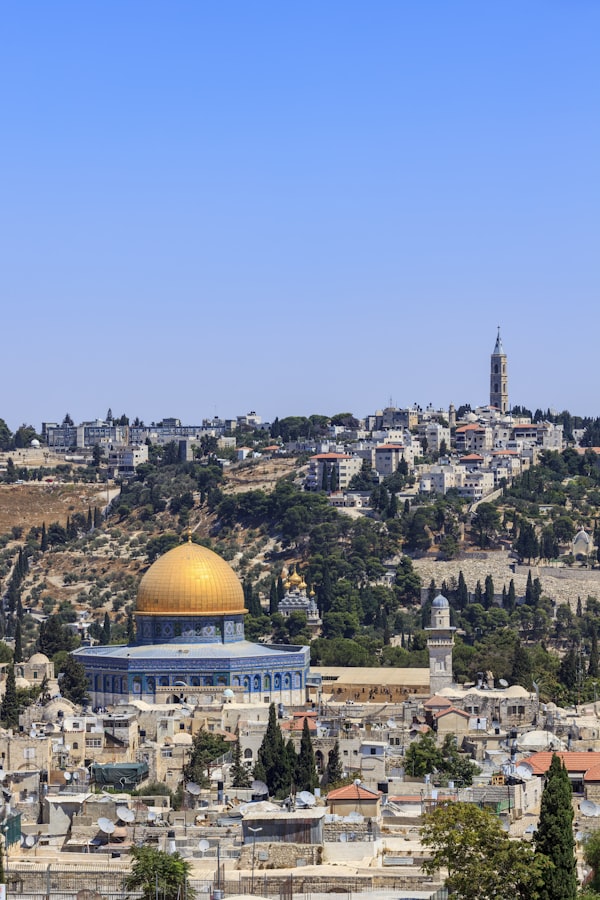 Mar-May, Sep-Nov
Jerusalem
Israel
Sacred to three Abrahamic religions. The Western Wall, the Church of the Holy Sepulchre, and the Dome of the Rock — all within a square kilometer. Nowhere else on Earth carries this weight.
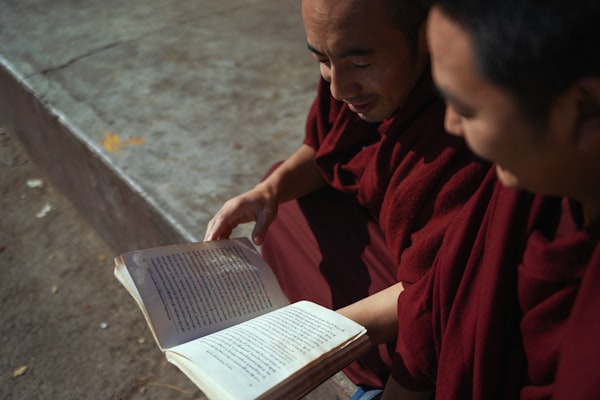 Oct-Apr (dry season)
Luang Prabang
Laos
A UNESCO town where saffron-robed monks collect alms at dawn, golden wats line every street, and the Mekong flows slowly past. The most serene spiritual destination in Southeast Asia.
What to expect
- Dress modestly at all religious sites: cover shoulders, knees, and sometimes head. Carry a scarf.
- Remove shoes before entering temples (Buddhist, Hindu, Sikh sites). Wear slip-on shoes for convenience.
- Photography rules vary — ask before photographing worship, ceremonies, or monks
- Early morning visits (5-7 AM) offer the most authentic experience — before tourist groups arrive
- Silence and slow movement are appreciated in active worship spaces
- Many temples offer meditation sessions, dharma talks, or overnight stays for visitors
Insider tips
In Kyoto, visit temples at 7 AM. By 10 AM they're tourist destinations. At dawn they're places of worship — monks are chanting, incense is burning, and you might be the only visitor.
In Varanasi, hire a local guide for the ghat walk. The city is a labyrinth and the rituals need context to understand. A guide transforms confusion into revelation.
In Bagan, rent an e-bike (not a horse cart). You can explore at your own pace, stop at unmarked temples, and find complete solitude among 800-year-old pagodas.
Many Buddhist temples in Southeast Asia offer multi-day meditation retreats. Wat Suan Mokkh in Thailand and Pa-Auk Forest Monastery in Myanmar are particularly renowned.
Bring offerings: flowers, incense, or candles. Participating (respectfully) in rituals creates a deeper connection than observation alone.
Ready for your temples & spiritual journeys?
Tell Meera where you want to go and she'll build your temples & spiritual journeys trip — flights, accommodation, activities, day by day — in minutes.
Meera may earn a commission — your price stays the same.