Ancient Ruins & Archaeological Sites
Walk through the doorways of civilizations that shaped our world
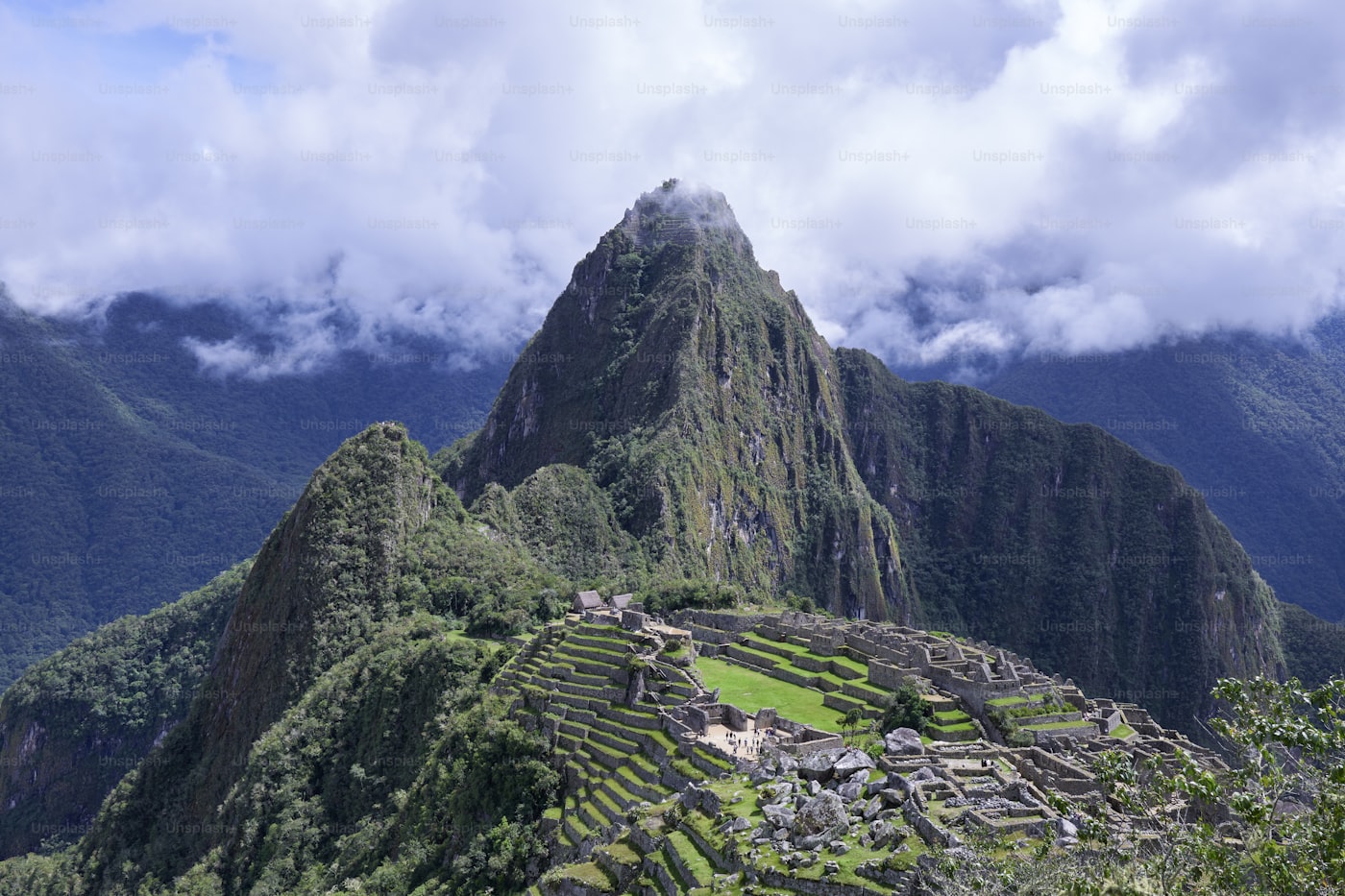
There's a particular silence that lives inside ancient ruins — not the silence of emptiness, but of accumulated time. Standing in the Forum Romanum where Caesar was murdered, or climbing the terraces of Machu Picchu as clouds part to reveal the Sacred Valley below, you're not just visiting a place. You're standing in a doorway between now and then, feeling the weight of centuries in the stones beneath your feet.
The great ruins of the world tell the stories of civilizations that built monuments meant to last forever — and, in many cases, succeeded. The Nabataeans carved Petra from living rock. The Khmer empire built Angkor Wat as a model of the cosmos. The Inca constructed Machu Picchu at 2,400 meters without mortar, and it still stands after 500 years of earthquakes.
These places reward slow exploration. Don't rush through with a checklist. Sit on a stone step, watch the light change on a column, and let the place speak. The best moments at ancient sites come when the tour groups move on and you're alone with history.
What It Really Costs
Typical costs per person for a 5-day trip. Actual costs vary by destination and season.
Per person. ● = required costs. Flights from your home city not included.
Where to experience it
6 world-class destinations for ancient ruins & archaeological sites
 Apr-Oct (dry season)
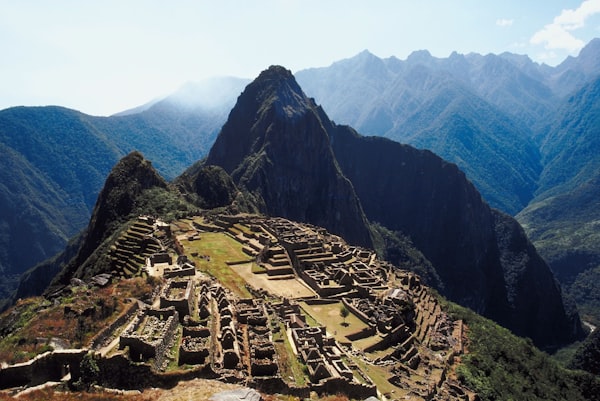
Machu Picchu
Peru
The lost Inca citadel at 2,430 meters, hidden in cloud forest. The approach via the Inca Trail (4-day trek) or train from Cusco is as breathtaking as the ruins themselves.
 Nov-Mar (dry, cooler)
Angkor Wat
Cambodia
The largest religious monument ever built — a 400-acre temple complex. Sunrise over Angkor Wat's five towers reflected in the moat is one of the most photographed moments on Earth.
 Mar-May, Sep-Nov
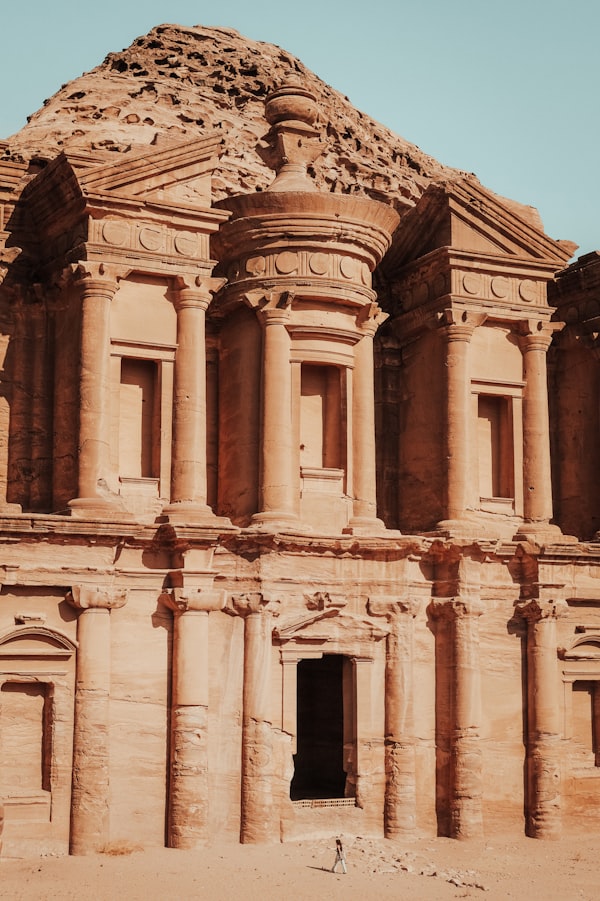
Petra
Jordan
The Rose City — carved into sandstone cliffs by the Nabataeans 2,000 years ago. Walking through the narrow Siq canyon to see the Treasury emerge is genuinely cinematic.
 Mar-May, Sep-Nov (avoid summer crowds)
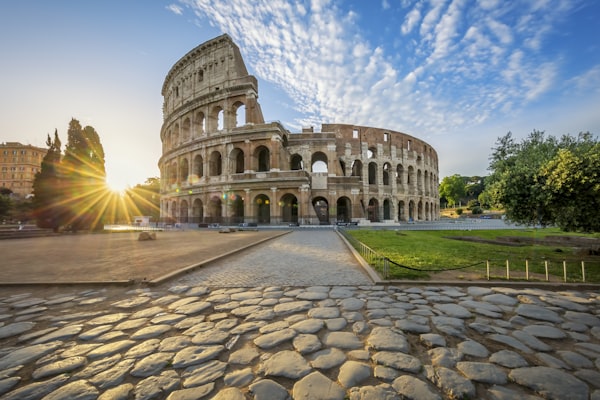
Rome
Italy
The Colosseum, the Forum, the Pantheon, the Palatine Hill — Rome is a city built on top of itself. Every street hides ancient layers beneath Renaissance facades.
 Apr-Jun, Sep-Oct
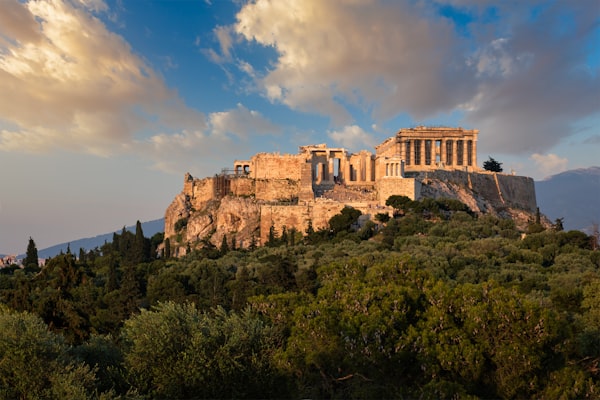
Athens
Greece
The birthplace of democracy, philosophy, and Western civilization. The Acropolis and Parthenon dominate the skyline, with the Ancient Agora and Temple of Zeus below.
 Nov-Apr (dry season)
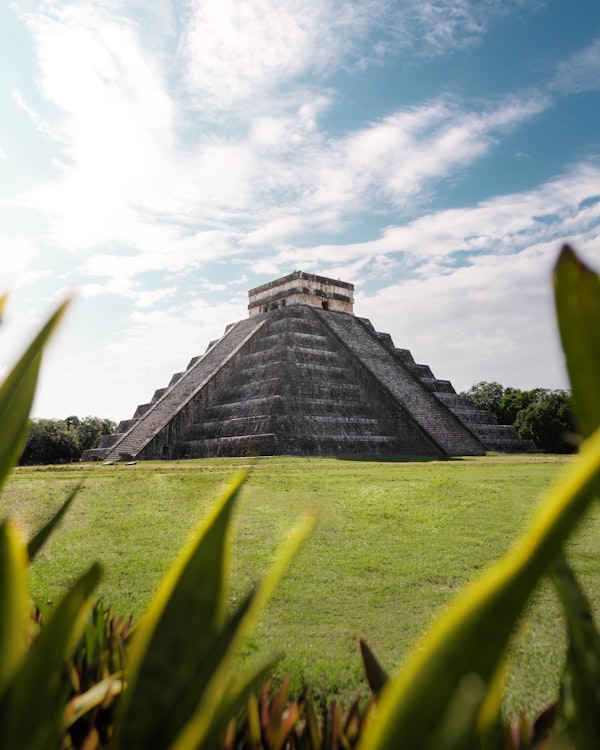
Chichen Itza
Mexico
The great Mayan pyramid of Kukulcan, where twice a year the equinox creates a serpent shadow descending the stairs. Combine with Tulum's clifftop ruins overlooking the Caribbean.
What to expect
- Entry fees range from $5 (Rome Forum) to $80+ (Machu Picchu permits)
- Guided tours add enormous context — budget an extra $20-50 for a qualified guide
- Most major sites require 3-6 hours for a thorough visit
- Comfortable walking shoes are essential — ancient sites mean uneven stones and lots of steps
- Sunrise/sunset visits offer the best light and smallest crowds
- Many sites have daily visitor limits — book permits well in advance (Machu Picchu: months ahead)
Insider tips
At Angkor Wat, skip the main entrance sunrise crowd. Go to the south reflecting pool instead — same view, 90% fewer people.
Machu Picchu permits sell out months in advance. Book the moment they go on sale (usually October for the following year).
At Petra, most tourists turn back after the Treasury. Walk the extra 45 minutes to the Monastery — it's larger, less crowded, and the hike is gorgeous.
In Rome, buy the Roma Pass. It covers the Colosseum + Forum + 2 museums and includes public transit. Skip-the-line access is worth the price alone.
Visit major ruins on weekdays, in the first hour after opening. The difference between a Tuesday at 8 AM and a Saturday at noon is the difference between awe and annoyance.
Ready for your ancient ruins & archaeological sites?
Tell Meera where you want to go and she'll build your ancient ruins & archaeological sites trip — flights, accommodation, activities, day by day — in minutes.
Meera may earn a commission — your price stays the same.