Japan Coastal Cruise
Sushi at dawn, ancient temples at noon, hot springs at dusk — the world's greatest food culture, explored by sea
Japan is the destination that food lovers dream about — and approaching it by sea reveals a side of the country that even seasoned Tokyo visitors rarely see. A coastal cruise from Yokohama traces Japan's Pacific coastline south, rounds the Inland Sea past ancient shrines and forested islands, crosses to Busan in South Korea, then sweeps north to Hokkaido's frontier food country before returning to Tokyo. In 10 days, you eat your way through a civilization that has elevated cooking to an art form.
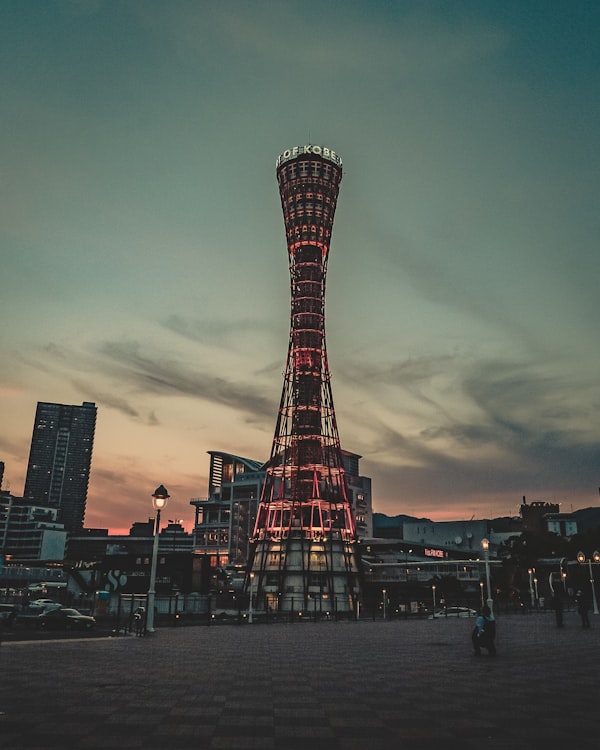
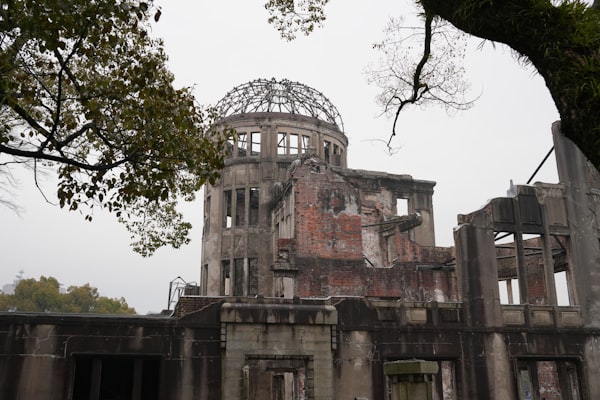
Every port is a culinary revelation. In Shimizu, you eat the freshest sashimi imaginable while Mt. Fuji towers over the harbor. In Kobe, you taste wagyu beef so tender it dissolves on your tongue. In Hiroshima, you stand before the Peace Memorial and then sit down to the city's famous okonomiyaki — a savory pancake layered with noodles, cabbage, and sweet sauce that locals debate as fiercely as Neapolitans debate pizza. In Hakodate, you wake at 5am and walk to the morning market where fishermen sell still-wriggling squid and uni so fresh it's sweet.
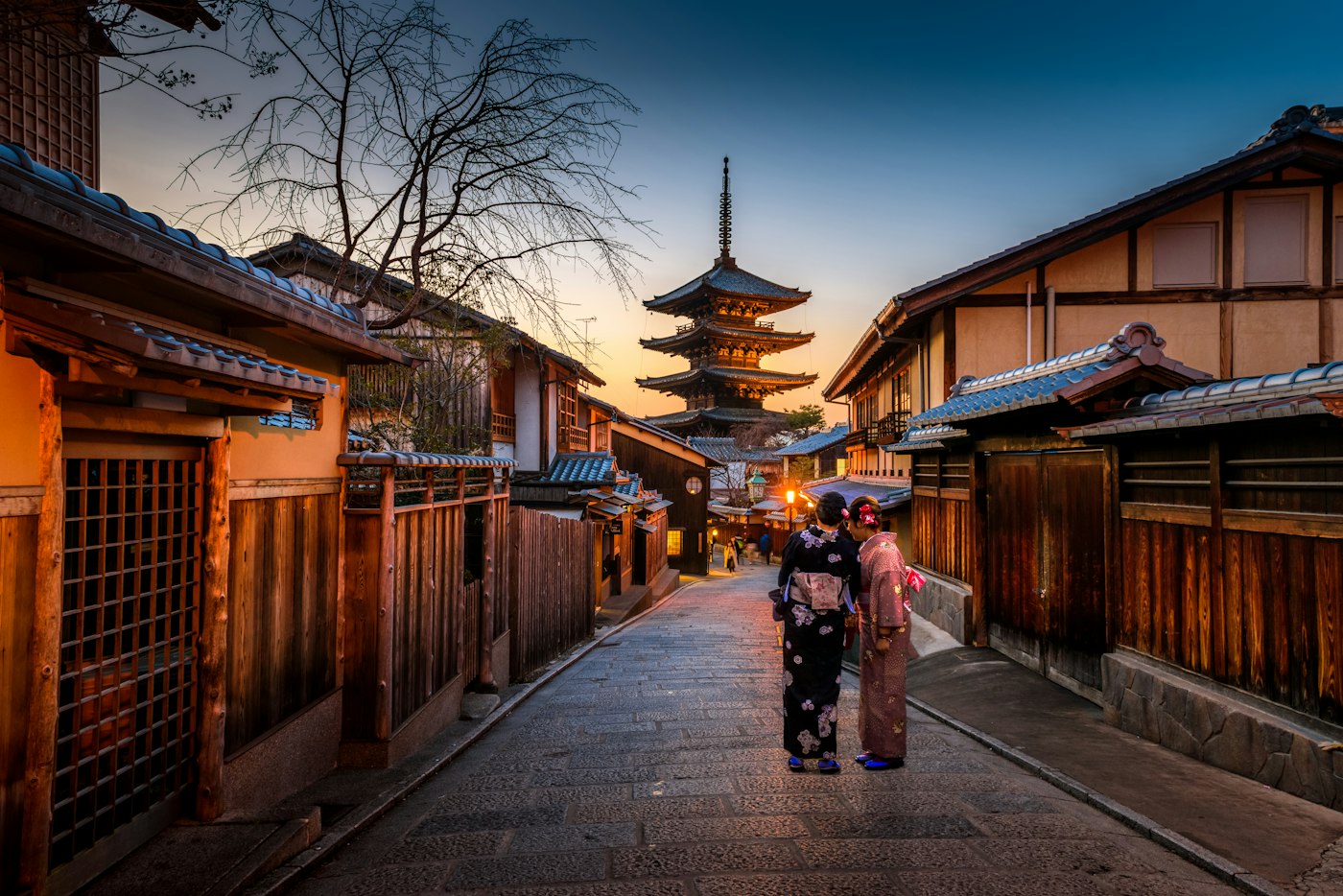
What makes Japan extraordinary for cruisers is the contrast between the ultramodern and the ancient. You can ride a bullet train from the port, pray at a 1,400-year-old shrine, soak in a volcanic hot spring, eat in a Michelin-starred restaurant, and be back on the ship by dinner. The efficiency is staggering, the hospitality is genuine, and the food — the food will ruin you for everything else.
Who It's For
Food enthusiasts, culture lovers, and travelers who want to experience Japan beyond Tokyo and Kyoto. Ideal for couples and small groups of friends who bond over meals. Also excellent for repeat Japan visitors who want to see coastal cities they'd never reach on a land-based trip. Less suited for travelers who don't enjoy seafood or are uncomfortable with unfamiliar cuisines.
Ports of Call
6 ports across the East Asia
 8h in port
Shimizu
Japan
Terminal to center: 10 min bus to downtown Shimizu, 30 min to Nihondaira for Mt. Fuji views
- •Mt. Fuji views — on clear days, Japan's iconic mountain is visible directly from the port (best: early morning)
- •Nihondaira — hilltop observation deck with the definitive Mt. Fuji panorama
- •Shimizu Fish Market (Kashi no Ichi) — the local version of Tokyo's Tsukiji, without the crowds
Don't miss: The fish market sushi breakfast at Kashi no Ichi — sit at a counter and eat sashimi and nigiri made from fish that was swimming hours ago, with Mt. Fuji visible through the window on a clear morning
Local dish: Sakura ebi (tiny pink shrimp) — a Shimizu specialty, served raw as sashimi, in kakiage tempura, or on rice. Only caught here in Suruga Bay.
 9h in port
Kobe
Japan
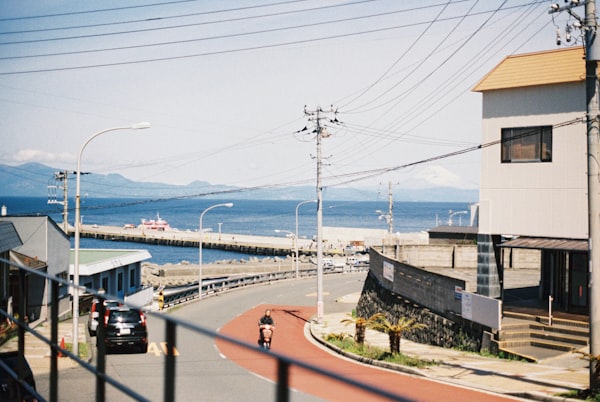
Terminal to center: 10 min walk from the cruise terminal to Sannomiya (downtown Kobe)
- •Kobe beef teppanyaki — the real thing, in the city that invented it (expect $80-200 per person for the authentic experience)
- •Kitano-cho — hillside district of Western-style mansions from the Meiji era, charming cafes
- •Nunobiki Herb Garden — ropeway ride above the city to a mountainside garden with harbor views
Don't miss: Authentic Kobe beef at a teppanyaki counter — watch the chef cook A5-grade wagyu on a hot plate in front of you. The fat marbling is so fine the beef is white with pink, and it melts at body temperature.
Local dish: Kobe beef, obviously — but specifically at a small teppanyaki counter (6-8 seats), not a tourist restaurant. Ask your ship's concierge or check Tabelog (Japan's Yelp equivalent) ratings.
 10h in port
Hiroshima
Japan
Terminal to center: 45 min from the cruise port to Hiroshima city center (shuttle bus or streetcar)
- •Peace Memorial Park & Museum — profoundly moving, recently renovated, allow 2 hours minimum
- •Atomic Bomb Dome — the skeletal building preserved as a UNESCO World Heritage peace symbol
- •Miyajima Island — the floating torii gate of Itsukushima Shrine (30 min ferry from Hiroshima)
Don't miss: Miyajima Island and the floating torii gate — the iconic vermillion gate appears to float at high tide, and the island's tame deer, ancient shrine, and mountain ropeway make it a full half-day destination
Local dish: Hiroshima-style okonomiyaki at Okonomimura — unlike Osaka's mixed version, Hiroshima layers the batter, cabbage, noodles, egg, and toppings. Sit at the counter and watch the cook build it.
 9h in port
Busan
South Korea
Terminal to center: 15 min taxi from the cruise terminal to Jagalchi Fish Market and Nampo-dong
- •Jagalchi Fish Market — Korea's largest seafood market, choose your fish and they cook it upstairs
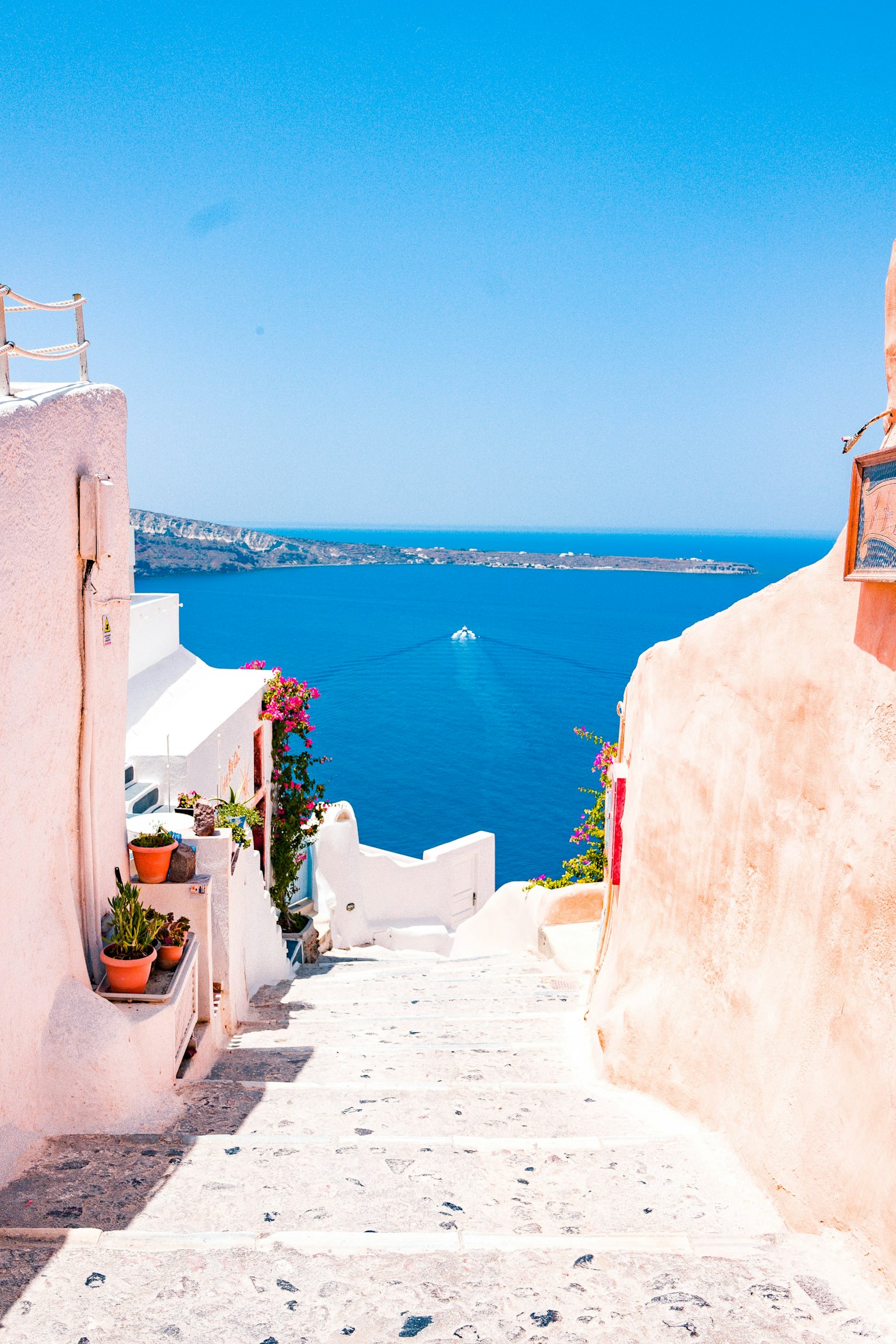
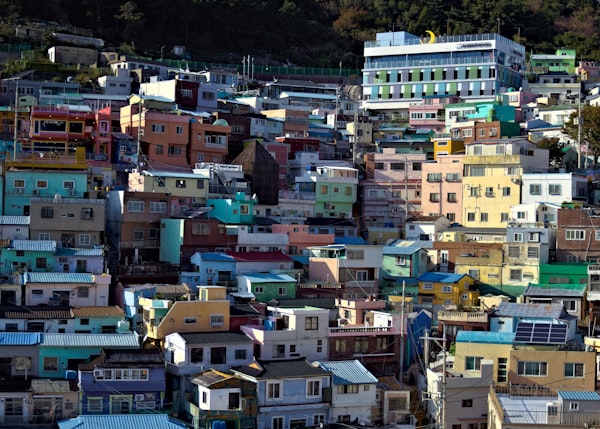
- •Gamcheon Culture Village — colorful hillside houses, murals, and art installations (the "Santorini of Korea")
- •Haedong Yonggungsa Temple — a rare seaside Buddhist temple perched on ocean cliffs
Don't miss: Jagalchi Fish Market — walk the ground floor of live tanks, point at anything that catches your eye (sea squirt, abalone, octopus, king crab), pay, then go upstairs where they prepare and serve it to you. This is dining as theater.
Local dish: Dwaeji gukbap (pork bone soup with rice) at a Busan alley joint — a Busan-only specialty, milky and rich, eaten with salted shrimp paste and kimchi. The best bowls cost $5.
 8h in port
Hakodate
Japan
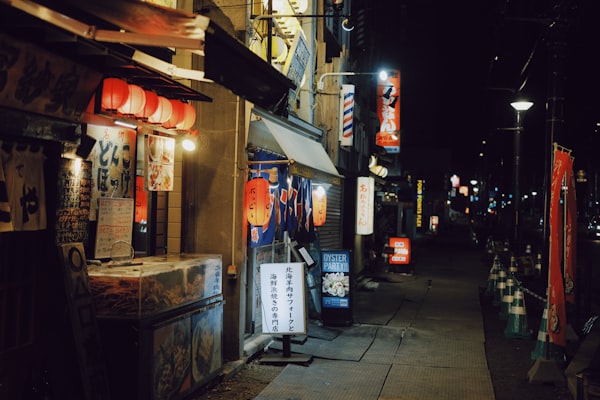
Terminal to center: 10 min walk from the cruise dock to the morning market and waterfront
- •Hakodate Morning Market — 250+ stalls of the freshest seafood in Japan (open 5am-noon)
- •Mt. Hakodate ropeway — "million dollar" night view, one of Japan's three best
- •Goryokaku Fort — star-shaped Western-style fort, beautiful in cherry blossom season
Don't miss: The morning market at dawn — walk between vendors selling live squid, glistening uni (sea urchin), and crab. Get the "ikura don" (salmon roe over rice) at a market stall counter — the roe pops like ocean-flavored caviar.
Local dish: Shio ramen (salt-based ramen) at Ajisai or another local shop — Hakodate invented salt ramen, and the clear, delicate broth is a revelation if you only know tonkotsu or miso styles
 10h in port
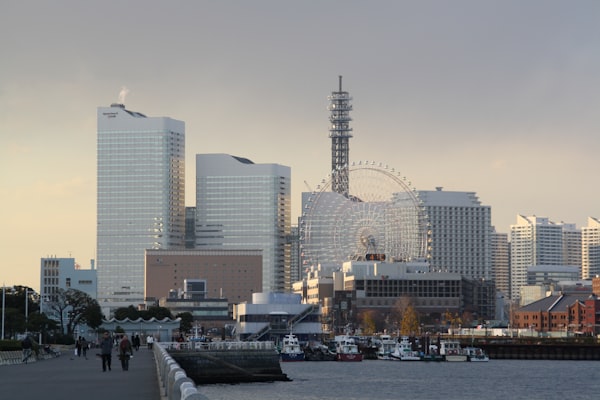
Yokohama
Japan
Terminal to center: 5 min walk to Yokohama Chinatown and waterfront, 30 min train to central Tokyo
- •Cup Noodles Museum — surprisingly fun, design your own instant ramen cup
- •Yokohama Chinatown — Japan's largest, 500+ restaurants in a few colorful blocks
- •Day trip to Tokyo — Shibuya, Tsukiji Outer Market, Shinjuku, Harajuku (30 min by train)
Don't miss: A day trip to Tokyo if this is your first time — take the train to Shibuya crossing, walk to Meiji Shrine, explore Harajuku, and eat at Tsukiji Outer Market. It's perfectly doable in 8 hours.
Local dish: Nikuman (steamed pork buns) from a Chinatown street vendor — Yokohama's Chinatown nikuman are larger, juicier, and more savory than what you'll find anywhere else in Japan
What To Expect
- Japanese ports are efficient — ships dock on time, taxis line up in orderly queues, and train connections are measured in seconds, not minutes
- Don't skip meals ashore to eat on the ship — Japan's port cities have better food than almost any cruise ship restaurant
- Cash is still important in Japan — many small restaurants, market stalls, and temples don't accept cards. Withdraw yen at 7-Eleven ATMs.
- Cherry blossom season (late March-mid April) and autumn foliage (mid-November) are peak times — book 12+ months ahead
- Japanese onsen (hot spring baths) are available near several ports — they require bathing nude, which is normal and not awkward once you're in
- English signage is good in major ports but limited in smaller ones — download Google Translate's offline Japanese pack before sailing
Insider Tips
Get a Suica or Pasmo IC card at Yokohama station on day one — it works on all trains, buses, and even convenience stores across Japan. Invaluable for port-day transit.
Eat at the counter. In Japan, the best food is often at 6-8 seat counter restaurants where the chef serves you directly. Don't be intimidated by small, local-looking places.
Convenience stores (7-Eleven, Lawson, FamilyMart) in Japan are a food experience unto themselves — onigiri, egg sandwiches, and matcha desserts rival proper restaurants.
If your ship offers an overnight in Kobe or Yokohama, use the evening to visit a local izakaya (Japanese pub) — the ship's bars can't compete with Japanese hospitality.
Bow when entering and leaving small restaurants. Say "itadakimasu" before eating and "gochisousama" when leaving. These small gestures earn enormous warmth from locals.
True Cost Calculator
The advertised cruise fare is just the starting point. Adjust the options below to see what this cruise will actually cost your group.
True Cost Calculator
See what this 10 nights cruise really costs — not just the advertised fare.
Required Costs
Japan cruises are premium-priced. Shoulder season (March, late November) is cheapest.
Japanese port fees are moderate. South Korea adds a small visa processing fee.
Standard cruise gratuities. Note: do NOT tip in Japanese restaurants ashore — it's considered rude.
Optional Costs
Japan is easy to explore independently — trains are punctual and English signage is decent. Save excursion money for food.
Rent a pocket Wi-Fi device in Yokohama or download offline maps. Ship Wi-Fi won't help you navigate Japanese train stations.
For 2 adults · Balcony cabin · 10 nights
Advertised fare: $4,000 — True cost: $15,815 (295% more)
The “starting from” price never includes taxes, gratuities, or extras. Now you know the real number.
Plan every port of this cruise
Tell Meera your ports of call and she'll build walking-optimized itineraries for every port day — sights, food, and timing — in minutes.
Plan my port daysReady to book?
Compare prices and book this cruise through our trusted partners.
Meera may earn a commission from these links.